When searching for ‘custom random packing column design, what to know before you buy’, most teams are not just planning equipment. They are trying to improve separation efficiency, control pressure drop, and ensure long-term reliability inside a random packing column.
A well-designed system supports efficient mass transfer, stable liquid distribution, and consistent gas-liquid contact. A poorly designed one leads to higher pressure drop, poor liquid distribution, and underperforming separation processes.
This guide breaks down what actually matters before you commit to a design, so you can make informed, performance-driven decisions without overcomplicating the process.
Key Takeaways
- Custom design is about aligning packing, internals, and operating conditions to your process.
- Small design choices impact mass transfer efficiency, pressure drop, and overall performance.
- The right approach balances surface area, capacity, and flow behavior for optimal results.
Why Custom Design Matters Before You Buy
A custom approach becomes important when standard options no longer match your process. This often happens in industrial applications where operating temperature, pressure, or chemistry creates unique demands.
Some systems require low pressure drop for vacuum systems, while others must handle corrosive fluids or operate at elevated temperatures. In distillation columns or gas absorption columns, even small inefficiencies can reduce separation efficiency and increase operating costs.
Custom design helps ensure that column packing, internals, and overall configuration work together. Instead of forcing a generic solution into your process, you build around what your system actually needs to perform.
What a Packed Column Is Designed to Do
At its core, a packed column is built to support mass transfer operations by increasing the surface area between gas and liquid phases.
Inside the column, liquid falls downward through the packing bed under gravity, while vapor is driven upward by heat and pressure. As these phases interact across the packing surface, mass transfer occurs.
This interaction is the foundation of chemical separation processes like distillation, absorption, and stripping, as well as liquid-liquid extraction and gas absorption.
When the design is right, the system enhances efficiency and delivers consistent results. When it is not, you see reduced contact, poor distribution, and lower performance.
When to Choose Random Packing Over Other Options
Choosing between random packing, structured packing, and a plate column depends on your process requirements.
Random packing is often selected for its flexibility and ability to perform across a wide range of industrial processes. It is generally easier to install and adapt, especially in systems where conditions may change over time.
Compared to structured packing, it is more forgiving when liquid distribution is not perfect. Compared to trays, it provides continuous contact between gas and liquid, which can improve efficiency in many systems.
Structured packing still plays an important role when a very low pressure drop or very high efficiency is required. But for many systems, random packing offers a practical balance between capacity, efficiency, and cost.
The Design Choices That Matter Most
A handful of core design decisions shape the performance of a packed column. Each one affects how gas and liquid move, interact, and ultimately how efficiently separation occurs.
Getting these right ensures the system works as intended, rather than forcing you to troubleshoot avoidable issues later.
Packing type and geometry
The shape of the packing influences how fluids move through the column. Designs like pall rings improve flow and contact compared to older Raschig rings, which have been used for many years but typically offer lower efficiency.
Modern geometries are designed to increase surface area while maintaining open space for flow. This helps create better gas-liquid interactions without restricting movement inside the column.
Packing material selection
The choice of packing materials depends on operating conditions. Metal packing provides strength and good wettability, while plastic packing offers corrosion resistance in certain environments. Ceramic packing is often used in systems requiring high temperature resistance or chemical stability.
Material compatibility is critical. The wrong choice can reduce lifespan, affect performance, and increase maintenance needs.
Packing size and capacity
Packing size directly impacts both efficiency and throughput. Smaller packing increases surface area and supports higher mass transfer efficiency, but it can also create a higher pressure drop.
Larger packing allows higher capacity and improved flow, but it may reduce efficiency. The goal is to balance surface area with hydraulic capacity to meet your process needs.
Column diameter and scale
Column diameter influences how evenly fluids distribute across the bed. In small-diameter columns, maintaining uniform flow can be more challenging. In large diameter columns, poor distribution can lead to underutilized areas.
Matching packing size to column diameter is essential for avoiding channeling and maintaining consistent performance.
Packing height and bed design
The height of the packing bed determines how much separation can occur. Too little height limits performance, while too much can increase pressure drop and operating costs.
A well-designed bed supports maximum performance without exceeding hydraulic limits.
The Internals That Make or Break Performance
Internals control how liquid and gas move through the column, which directly impacts performance. Without proper flow distribution, even high-quality packing will underperform and leave parts of the bed underutilized.
Liquid distributors
Liquid distributors control how fluid enters the column. Poor distribution leads to channeling, where liquid bypasses large sections of the packing.
Proper flow distribution ensures that the entire packing bed is used effectively.
Packing support and support plates
Packing support and support plate design must hold the weight of the packing while allowing gas flow to pass freely. Poor design can restrict gas flow and reduce efficiency.
Redistributors and flow control
In taller columns, redistributors help correct uneven flow and maintain consistent contact between phases. Without them, performance can decline over time.
How Pressure Drop Shapes the Entire Design
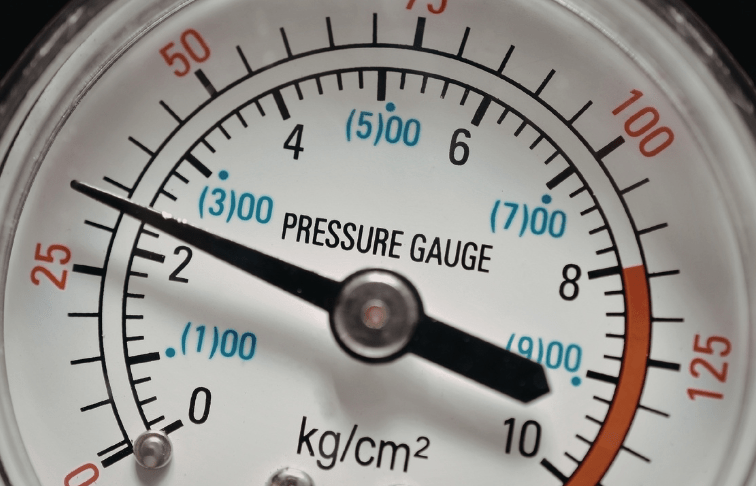
Pressure drop is one of the most important factors in column performance. Designs that create higher pressure drop increase energy use and can limit throughput.
In applications like vacuum systems, minimizing pressure drop is critical. Even small increases can impact separation performance.
The goal is to achieve efficient mass transfer while maintaining low pressure drop and stable operation.
How Application Requirements Change the Design
Different processes require different priorities.
In fine chemical distillation, achieving high separation efficiency is often the main goal. In absorption towers, handling liquid load and maintaining consistent flow may take priority.
Systems used in quench towers, wastewater, or oil processing may require materials that are resistant to harsh conditions.
The design should always reflect the specific process, not a generic solution.
Considerations for Glass Columns and Pilot Systems
Glass columns are widely used in lab and pilot-scale systems. Glass columns allow operators to observe flow behavior and adjust conditions in real time.
These systems often require a precise selection of packing size and materials to ensure results can scale to larger systems. A custom design helps bridge the gap between lab testing and full-scale production.
Common Mistakes to Avoid Before You Buy
One of the most common mistakes is focusing only on cost. Lower-cost options may lead to higher operating costs if they reduce efficiency or increase pressure drop.
Another issue is ignoring internals. Even high-quality packing cannot compensate for poor liquid distribution or inadequate support design.
Overemphasizing surface area is also a problem. While higher surface area can improve efficiency, it can also create higher pressure drop and restrict gas flow if not balanced correctly.
Optimize Custom Column Design with PDS
At Performance Distillation Solutions, we focus on improving real performance inside your packed column, not just supplying column packing. Our approach centers on practical mass transfer, pressure drop, and flow behavior.
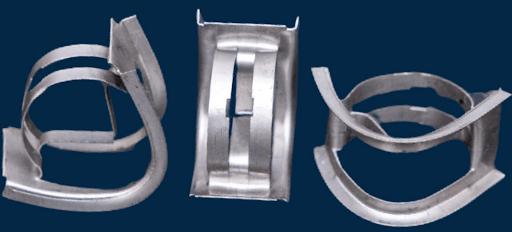
We offer high-efficiency random packing, including Pro-Pak® and IMTP-style metal random packing from multiple different alloys, along with plastic, ceramic, and metal packing materials to support different operating conditions. These solutions help improve surface area, mass transfer efficiency, and overall system performance.
We also provide essential column components made from both glass and metal alloys, column internals like packing support and interdistributor designs to maintain proper flow and avoid distribution issues that reduce efficiency.
Our solutions support lab, pilot, and production systems across distillation columns, absorption towers, and other industrial applications.
Looking to improve performance or reduce pressure drop? Connect with Performance Distillation Solutions to get started.
Conclusion
A successful custom random packing column design depends on how well the system fits your process. It is not just about selecting packing, but about understanding how packing, internals, and operating conditions work together.
By focusing on factors like packing size, column diameter, material compatibility, and pressure drop, you can avoid common issues and improve long-term performance.
The right approach helps you maintain efficiency, control operating costs, and achieve consistent results across your separation processes.
Frequently Asked Questions
What is the difference between random packing and structured packing?
Random packing uses individual pieces for flexible performance across many systems. Structured packing uses organized layers for higher efficiency and low pressure drop, but is more sensitive to conditions.
How does packing size affect performance in a packed column?
Smaller packing increases surface area and mass transfer, but raises pressure drop. Larger packing supports higher capacity, especially in large diameter columns, but may reduce efficiency.
What materials are best for random packing?
Metal random packing offers strength, while plastic packing provides corrosion resistance. Ceramic packing works well in high-temperature or chemically aggressive systems.
How do you design for optimal performance?
Focus on balancing pressure drop, surface area, and liquid flow. The right packing geometry and flow control help maintain efficiency and reduce operating costs.